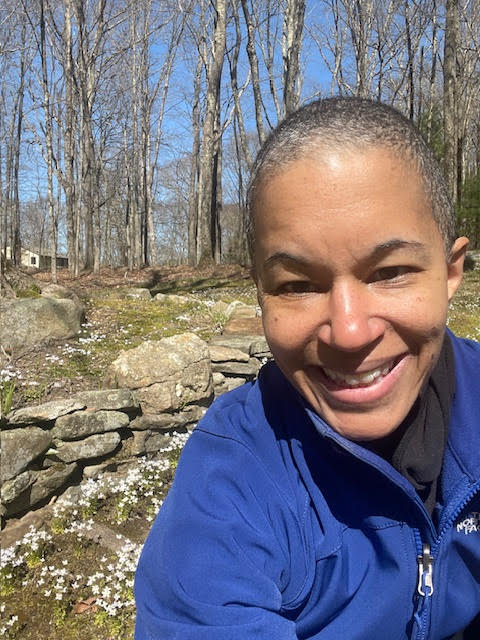
I’m Renée Canada Wuerth. As a writer and integrative health educator, I support others in navigating health challenges and major physiological transitions with greater clarity, confidence, and steadiness. Drawing from Ayurveda and yoga, conscious movement, and expressive arts, I also share approaches that cultivate awareness, understanding, and integration during times of profound change.
The Mind-Body Shift grew out of my own search for answers while navigating complex, chronic health conditions within a fragmented medical system. What began as a personal effort to understand what was happening in my body gradually became a deeper inquiry into how care is communicated, understood, and experienced—especially by those facing similar issues.
That search drew me toward public health, functional medicine, and a range of holistic and traditional healing frameworks. I came to see these not as competing approaches, but as complementary maps—each offering different perspectives on health, the mind-body connection, and what it means to live well in the presence of ongoing physical challenges.
My work weaves evidence-based research with embodied experience. I focus particularly on women’s health, autoimmune disease, and neurological conditions—where health unfolds in fluctuating yet persistent patterns that often become recognizable only through careful observation and attentiveness to how experience and capacity unfold over time.
Through The Mind-Body Shift, I translate complex health information into clear, accessible language, offering education, perspective, and practical tools for those navigating chronic illness and major physiological change.
Through Women of the Dark Woods, I attend more directly to the inner terrain of change, drawing on embodied and creative practices and alignment with nature’s cycles and seasons to explore how meaning, identity, and self-relationship evolve in the presence of profound physiological transitions.
At its core, my work offers a means of orientation—ways of understanding, relating, and responding when the body changes and familiar reference points fall away. Rather than promising resolution, I support thoughtful engagement with the realities of fluctuating health, chronic illness, and major transition, inviting greater compassion and care for the bodies we inhabit.